
GNSS Antennas
What is GNSS and what are GNSS antennas?
GNSS is a Global Navigation Satellite System, which includes GPS, GLONASS, Galileo, BDS (BeiDou), etc.
These systems provide global positioning, navigation, and timing services through satellite broadcast signals. GNSS systems include GPS, GLONASS, Galileo, BeiDou, etc. These systems provide global positioning, navigation, and timing services through satellite broadcast signals.
GNSS antenna is an antenna device used to receive signals from the Global Navigation Satellite System. GNSS antennas are compatible with a variety of satellite navigation system designs, such as GPS/GLONASS/Galileo/Beidou. These antennas are usually simple in structure and small in size, making them easy to install and use.
GNSS antennas are mainly used in the same frequency repeater system as a transmitting antenna, and can also be used for GPS navigation, and positioning systems as a receiving antenna. The antenna is in microstrip form.
Function of GNSS antennas
The main function of a GNSS antenna is to receive RF signals emitted by satellites and process these signals to calculate the user’s position, speed, and time information.
The antenna captures the satellite signals, removes the noise, and amplifies them to a level that can be processed by the receiver. The receiver uses the timing data from these signals to calculate the user’s distance to each satellite, and by combining data from at least four satellites, determines the user’s precise position using trilateration.
What are GNSS frequency bands?
The GNSS antenna frequency bands are mainly located in the L-band (1-2 GHz), which is specifically categorized into the low band (1164 MHz to 1300 MHz) and the high band (1559 MHz to 1610 MHz).
GNSS (Global Navigation Satellite System) includes the following frequency bands.
GPS
GPS antenna uses the L1 (1575.42 MHz) and L2 (1227.60 MHz) bands.
The GPS mainly works in the L1, L2, and L5 frequency bands. the L1 band is used for civil and commercial applications, the L2 band is used for precision positioning and military applications, and the L5 band is used for signal enhancement and interference resistance.
GLONASS system
The GLONASS system provides navigation services in the L1 and L2 frequency bands, similar to the GPS but with slightly different frequencies.
Galileo system
Galileo antenna uses the E1 (1575.42 MHz) and E5a/E5b (1176.45 MHz) frequency bands.
The Galileo system provides navigation services in the E1, E5, and E6 frequency bands and is designed to be more elaborate, aiming to provide more accurate and reliable navigation information.
These frequency bands have been selected and designed to meet the needs of different applications, including civil, commercial, and military applications.
For example, the L1 band is widely used for civil and commercial applications, while the L2 band is used for applications requiring higher accuracy, such as precision positioning and military applications.
BDS(Beidou)
BeiDou antenna uses the B1 (1561.098 MHz) and B2 (1207.14 MHz) frequency bands.
GNSS antenna applications
GNSS antennas are widely used in a variety of fields, including the below applications.
Aerospace
GNSS antennas are used for precision navigation and positioning of aircraft, missiles, and other vehicles.
Military security
GNSS antennas provide precise positioning and navigation support for military operations.
Intelligent transportation
GNSS antenna realizes real-time positioning of vehicles and monitoring of road conditions to improve traffic efficiency and safety.
Precision agriculture
GNSS antenna realizes intelligent operation of agricultural machinery and soil nutrient monitoring to improve agricultural production efficiency.
Measurement and geographic information
GNSS antennas are used to measure geographic information such as elevation, topography, and minerals.
What are the types of GNSS antennas?
GNSS antennas can be categorized into various types according to their design, purpose, and shape such as PCB antennas, flexible PCB antennas, microstrip antennas, rubber duck antennas, magnetic mount antennas, adhesive patch antennas, yagi antennas, sector antennas, fiberglass antennas, and so on.
Who manufactures GNSS antennas?
C&T RF Antennas Inc. manufactures indoor-outdoor GNSS antennas for your choice. Contact us for off-the-shelf GNSS antennas or design customizations.
Showing 1–16 of 34 results
-
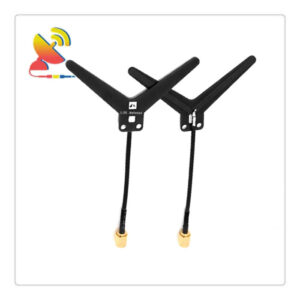
High-performance 1.2 GHz Antenna FPV
Read more -
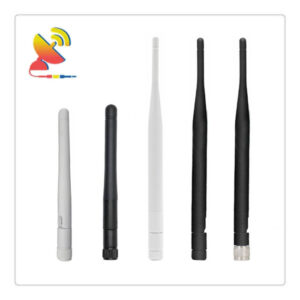
High-performance 1.2 GHz Ham Radio Antennas
Read more -
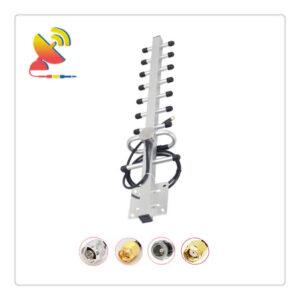
High-Performance 1.2 GHz Yagi Antennas
Read more -
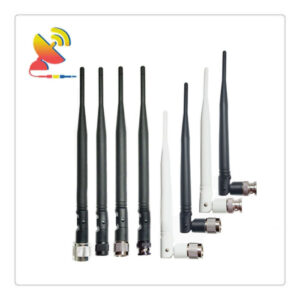
High-performance 1.4 GHz Rubber Duck Antennas
Read more -
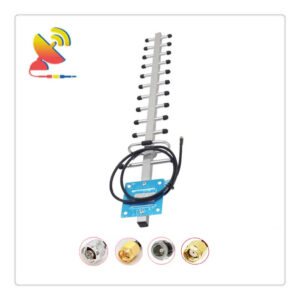
High-Performance 1.5 GHz Yagi Antennas
Read more -
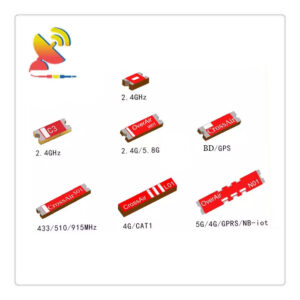
High-Performance Ceramic Chip Antennas
Read more -
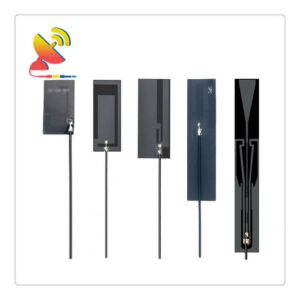
High-performance Flexible GPS GNSS PCB Antennas
Read more -
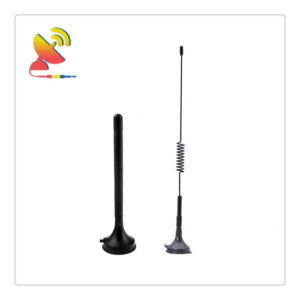
High-Performance Magnetic GPS Antennas
Read more -
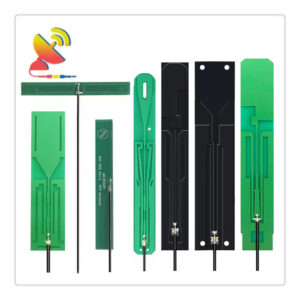
High-performance Passive GNSS GPS PCB Antennas
Read more -
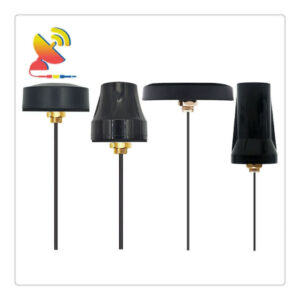
High-performance Passive GNSS GPS Puck Antennas
Read more -
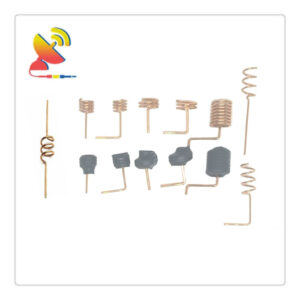
High-performance Passive GPS/GNSS Spring Antennas
Read more -
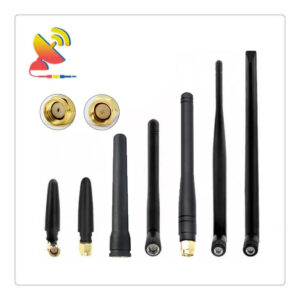
High-performance Passive SMA GPS Antennas
Read more -
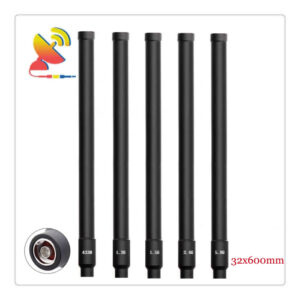
High-power 150W Anti-FPV Jammer Antennas ɸ32×600
Read more -
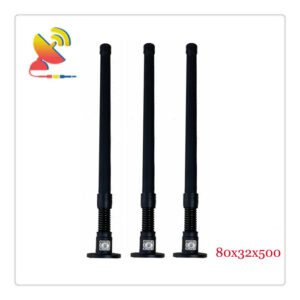
High-power 150W Anti-jamming Antennas ɸ80x32x500
Read more -
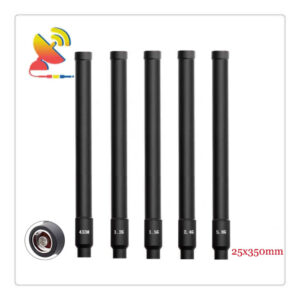
High-power 150W Backpack Jammer Antennas ɸ25×350
Read more -
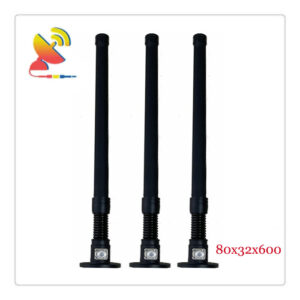
High-power 150W Car Jammer Antennas ɸ80x32x600
Read more
