
Dipole Antennas
What are dipole antennas?
The dipole antenna is a new antenna technology that combines two pairs of antennas with polarization directions orthogonal to each other and operates in transceiver duplex mode at the same time.
This design allows the dipole antenna to simultaneously transmit and receive radio waves in both horizontal and vertical directions, thus providing a more stable and reliable communication quality.
The core advantage of dipole antennas is their ability to significantly reduce the number of antennas required for a single directional base station.
Dipole antenna transmitting and receiving methods
Dipole antennas can transmit and receive signals independently in horizontal and vertical directions through a single antenna, which not only simplifies the structure of the antenna but also makes the system flexible and the signal reliability enhanced.
Dipole antenna space requirements and maintenance
Dipole antennas greatly reduce space requirements and maintenance costs due to their integrated design, especially in space-constrained environments.
Dipole antenna signal coverage
In an urban environment, due to the existence of buildings and a complex electromagnetic environment, the polarization direction of the signal may change, dual-polarized antenna can adapt to the environmental changes more effectively and maintain the signal quality.
Dipole antenna performance enhancements
Dipole antenna has obvious advantages in improving the flexibility and adaptability of the system because it can handle signals of two polarization modes at the same time.
Dipole antenna applications
High-end wireless communications
In mobile communication base stations, wireless backhaul networks, and satellite communications, dual-polarized antennas are widely used because they can provide higher data transmission rates and better signal coverage.
Military and radar systems
Military communication and radar systems require highly reliable data transmission and excellent interference immunity, dual-polarized antennas provide additional signal paths in these applications to enhance system stability.
Weather monitoring
Modern weather radar systems use dual-polarization technology to measure the type and amount of precipitation particles more accurately and provide more detailed weather data.
Dipole antenna structural design
Dipole antennas include complex structures such as crossed dipoles, strips, or patch antennas that can support both orthogonal polarizations on the same device. The design may consist of multiple feed points or special feeding mechanisms to ensure uniformity and independence of the two polarizations.
What are the types of internal antennas?
Dipole antennas include rubber duck antennas, PCB antennas, flexible PCB antennas, patch antennas, through-hole mount antennas, glass fiber antennas, panel antennas, sector antennas, Yagi antennas, Grid antennas, etc.
Who manufactures dipole antennas?
C&T RF Antennas Inc. manufactures many types of dipole antennas for your choice. Contact us for off-the-shelf internal-external dipole antennas or design customizations.
Showing 1–16 of 102 results
-
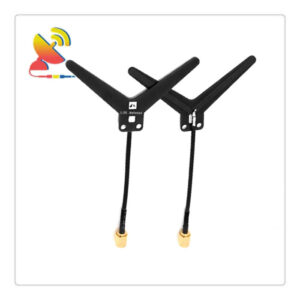
High-performance 1.2 GHz Antenna FPV
Read more -
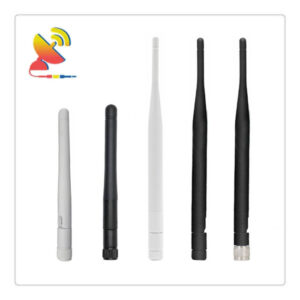
High-performance 1.2 GHz Ham Radio Antennas
Read more -
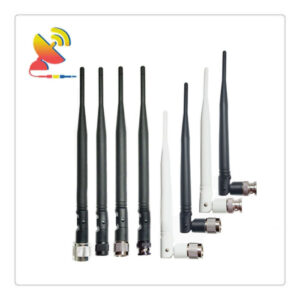
High-performance 1.4 GHz Rubber Duck Antennas
Read more -
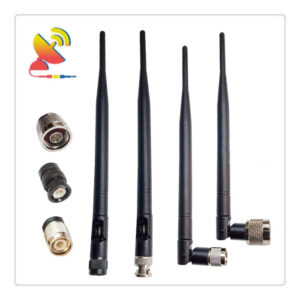
High-performance 1.8 GHz Portable Antennas
Read more -
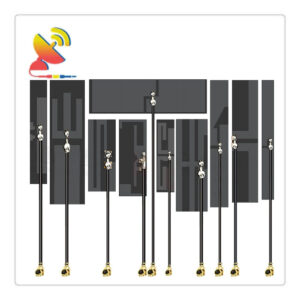
High-performance 2.4 GHz Flexible Antennas
Read more -
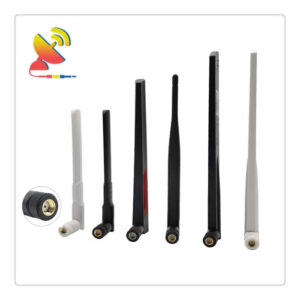
High-performance 2.4 GHz RP-SMA Antennas
Read more -

High-performance 2.4 GHz WiFi PCB Antennas
Read more -
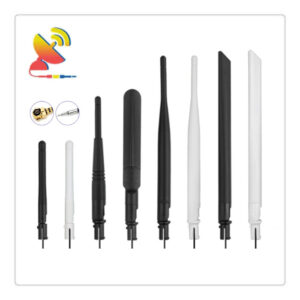
High-performance 2.4/5GHz Dual-band WiFi Antenna IPEX
Read more -
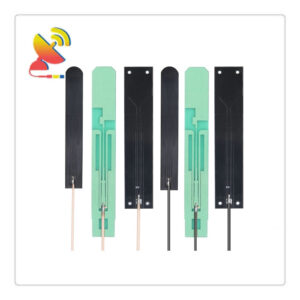
High-performance 3.5 GHz CBRS PCB Antennas
Read more -
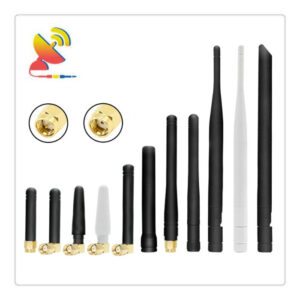
High-performance 315MHz SMA Rubber Duck Antennas
Read more -
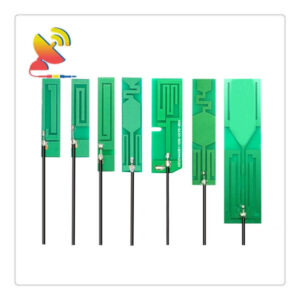
High-performance 3G GSM PCB Antennas
Read more -
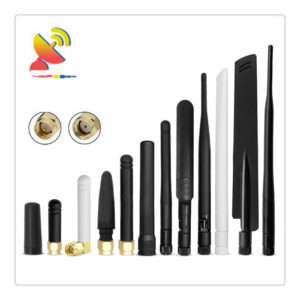
High-performance 3G UMTS Antenna SMA
Read more -
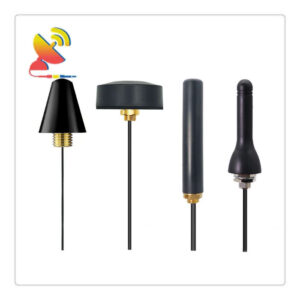
High-performance 433 MHz Dome Antennas
Read more -
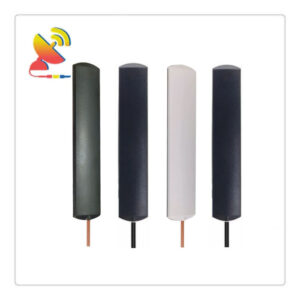
High-performance 433MHz Adhesive Patch Antennas
Read more -
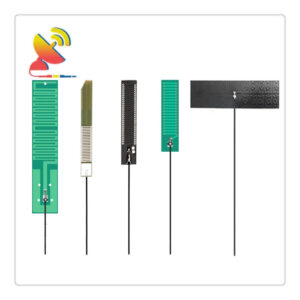
High-performance 433MHz PCB Antennas
Read more -
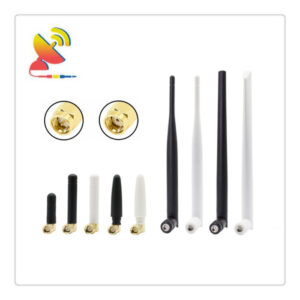
High-performance 433MHz SMA Antennas
Read more
