
2.4 GHz Antennas
What are 2.4 GHz antennas?
A 2.4 GHz antenna operates in the 2.4 GHz (2400 MHz-2483 MHz) frequency band, which is mainly used in wireless communication devices. The 2.4 GHz band belongs to the ISM (Industrial, Scientific, and Medical) frequency band, which has a wide range of uses, including Wi-Fi, Bluetooth, Zigbee, Sigfox, Z-wave, and other technologies.
2.4GHz antenna working principle
Based on the principle of electromagnetic induction, when an electric current passes through an antenna element, it generates an electromagnetic field around it. Through the design of feed lines and matching circuits, the electromagnetic energy is converted into electromagnetic waves and radiated into space. At the receiving end, the antenna is responsible for converting the received electromagnetic wave into a current signal for receiver processing.
2.4 GHz antenna characteristics
Strong penetration
A 2.4 GHz Antenna is suitable for home WiFi coverage and can penetrate through walls and cover a wider area.
Strong anti-interference capability
Work in the 2.4 GHz band can be used to obtain a greater range of use and stronger anti-interference ability, widely used in home and commercial areas
Wide compatibility
Many wireless network technologies such as Wi-Fi (IEEE 802.11), Bluetooth, and Zigbee utilize this band.
High transmission rate
Wireless transmissions in the 2.4GHz band are typically high enough to meet the needs of many high-speed data transmission applications.
Long transmission distance
Due to the 2.4GHz band’s wireless transmission characteristics, its transmission distance is relatively long, which is suitable for wireless communication scenarios that require a large coverage area.
Widely used
The 2.4GHz band is widely used in wireless communication devices such as wireless LAN (Wi-Fi) and Bluetooth and has a very high market share and user base.
What are the types of 2.4 GHz antennas?
2.4 GHz antennas can be categorized into various types according to their design, purpose, and shape, such as ceramic antennas, spring coil helical antennas, PCB antennas, flexible PCB antennas, microstrip antennas, rubber duck antennas, magnetic mount antennas, adhesive patch antennas, yagi antennas, sector antennas, fiberglass antennas, and so on.
When selecting a 2.4GHz antenna, factors such as the size, power, transmission distance, and directionality of the device need to be considered. It is also necessary to consider the antenna’s radiation efficiency, operating bandwidth, and other performance indicators to ensure that the antenna can meet the application requirements.
2.4GHz antenna applications
ISM
2.4GHz ISM (Industry Science Medicine) is the world’s open general-use wireless frequency band, Bluetooth technology that works in this band, work in the 2.4GHz band can be used to get a greater range and stronger anti-interference ability, widely used in home and commercial areas. A technology used for short-range wireless transmission and conduction.
Wireless LAN (Wi-Fi)
The 2.4GHz band is one of the main frequency bands for building wireless LANs. At home, office, and other places, Internet access and data transmission are realized through wireless connection between Wi-Fi access points (AP) and client devices.
Bluetooth
The Bluetooth antenna is an important and necessary component used to transmit and receive electromagnetic wave energy in a wireless communication system.
Wireless USB
Wireless USB technology has a maximum transmission rate of 480Mbit/s over a distance of 3m, while the performance is the same as the existing USB 2.0.
Wireless USB specifies a rate of 110Mbit/s over 10m, using the globally available 2.4GHz ISM band, with a communication distance of up to 10m and the ability to connect up to 8 devices. wireless USB is not a networking solution and therefore has no associated costs. Not a networking solution, so there is no cost or power overhead associated with it, supports USB plug-and-play, and requires no drivers and no standards/certification process.
Wireless Personal Area Network (WPAN)
Bluetooth technology widely uses the 2.4GHz band to provide wireless connectivity between personal devices such as headphones, keyboards, mice, etc. These devices enable wireless communication and data transfer nearby via Bluetooth technology.
Enterprise networks
In enterprise networks, although 2.4GHz wireless signals are slower, they are stable and less intrusive, making them suitable for environments that require efficient data transfer and stable connectivity.
Internet of Things (IoT)
The 2.4 GHz band is widely adopted for its cost-effectiveness, higher speeds, and wider coverage. Various smart home devices, sensors, etc. achieve wireless connection and data transmission via the 2.4GHz band, thus realizing intelligent management and control of the home environment.
Who manufactures 2.4 GHz antennas?
C&T RF Antennas Inc. manufactures indoor-outdoor 2.4 GHz antennas for your choice. Contact us for off-the-shelf 2.4 GHz antennas or design customizations.
Showing 1–16 of 33 results
-
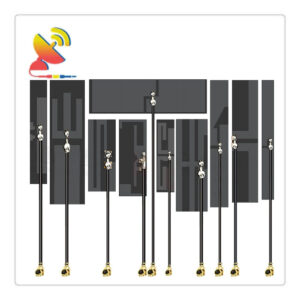
High-performance 2.4 GHz Flexible Antennas
Read more -
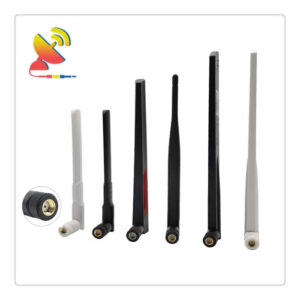
High-performance 2.4 GHz RP-SMA Antennas
Read more -

High-performance 2.4 GHz WiFi PCB Antennas
Read more -
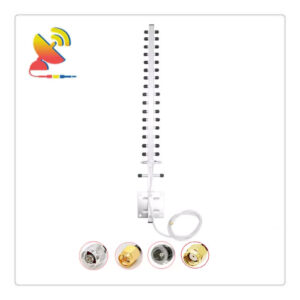
High-Performance 2.4 GHz Yagi Antennas
Read more -
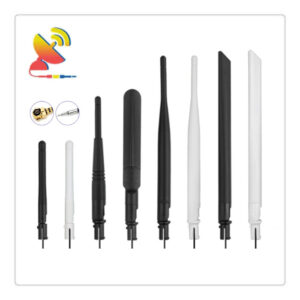
High-performance 2.4/5GHz Dual-band WiFi Antenna IPEX
Read more -
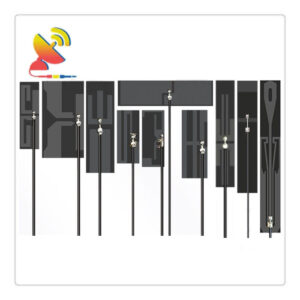
High-performance Flexible 2.4/5GHz Dual-band Antennas
Read more -
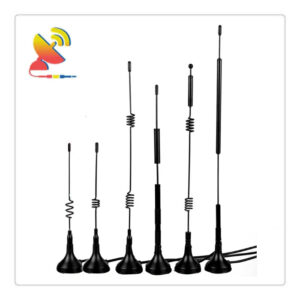
High-Performance Magnetic WiFi Antennas
Read more -
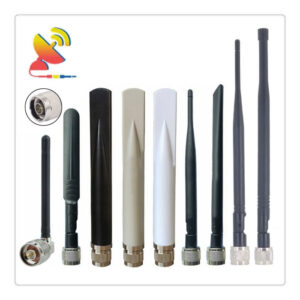
High-performance N-male Dual-band 2.4 GHz 5GHz Antennas
Read more -
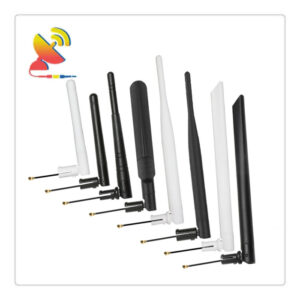
High-performance Omni IPEX WiFi Antennas
Read more -
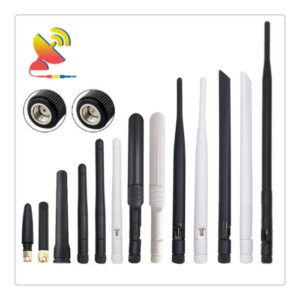
High-performance SMA Antenna WiFi Dual-band 2.4/5GHz
Read more -
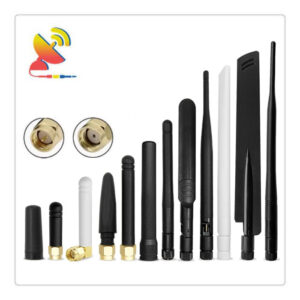
High-performance SMA WiFi Antenna 2.4 GHz
Read more -
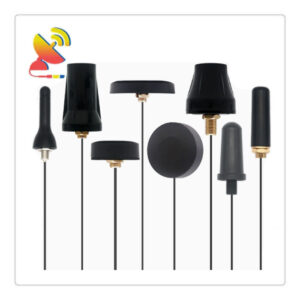
High-performance Wi-Fi Puck Antennas
Read more -
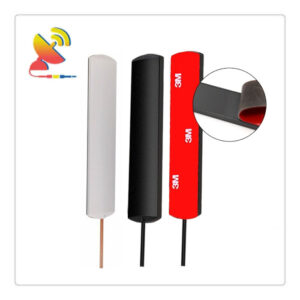
High-performance WiFi Adhesive Mount Antennas
Read more -
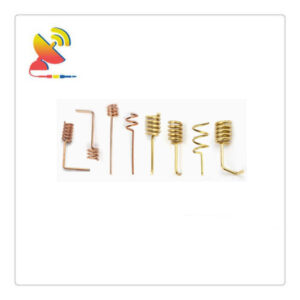
High-performance WiFi Helical Antennas
Read more -
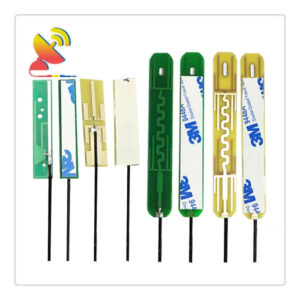
High-performance WiFi PCB 2.4 GHz 5GHz Antennas
Read more -
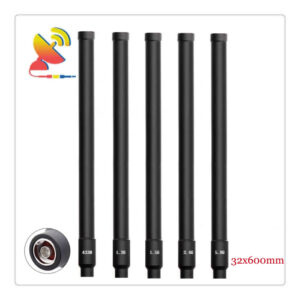
High-power 150W Anti-FPV Jammer Antennas ɸ32×600
Read more
