
RFID Antennas
What are RFID antennas?
RFID antennas are devices used in RFID systems to send and receive signals and transmit information via radio waves. They are usually embedded in RFID tags or readers.
The main functions of an RFID antenna include receiving and transmitting radio signals. When the RFID tag enters the operating range of the reader, the antenna will receive the wireless signal from the reader amplify the signal through the built-in circuit, and transmit it to the chip. Conversely, when the chip needs to send information, the antenna will transmit the signal to the reader.
What are the classifications of RFID antennas?
RFID antennas can be classified according to their shapes, operating frequencies, and applications.
First, according to the working frequency band classifications
Low-frequency RFID antennas
Low-frequency RFID antenna is usually used in low-frequency RFID systems, the working frequency is low, such as 125kHz or 134.2kHz. this kind of antenna design is simple, and mainly used for close-range identification and communication.
High-frequency RFID antennas
It is suitable for high-frequency RFID systems, the working frequency is usually around 13.56MHz. High-frequency antennas are more common in smart cards, access control systems, and other applications.
Microwave RFID antennas
Microwave RFID antennas are used in UHF and microwave band RFID systems, working frequencies such as 433MHz, 860~960MHz, 2.45GHz, and so on. Microwave antenna has a longer communication distance and higher data transmission rate.
Second, according to the function and application classifications
Electronic tag antennas
It is used on an RFID tag to receive and send signals from the reader. The electronic tag antenna is usually small in size, light in weight, and designed with a specific frequency response to meet the application requirements.
Reader RFID antennas
Reader RFID antennas are used on RFID readers, responsible for sending and receiving signals to communicate with the tag. A read-write antenna usually has a larger size and power to achieve a longer communication distance and stable communication performance.
Third, according to the structure and form classifications
Dipole RFID antennas
The dipole antenna is also known as a symmetrical oscillator antenna, by two sections of the same thickness and length of the same straight wire row into a straight line composition. This antenna structure is simple, easy to manufacture, and suitable for a variety of RFID applications.
Microstrip patch RFID antennas
A microstrip patch antenna is the metal patch on the ground plane of a thin layer composition. Microstrip patch antenna lightweight, small size, thin profile, easy to integrate with the printed circuit of the communication system.
Inductively coupled RF antennas
Inductively coupled RF antennas are typically used for communication between RFID readers and RFID tags, coupled by a shared magnetic field. These antennas are usually spiral-shaped to create a shared magnetic field between the RFID reader and the RFID tag.
Yagi RFID antennas
A directional antenna consisting of two or more half-wave dipoles. Yagi antennas have high directivity and gain and are suitable for RFID applications that require directional communication.
Helical RFID antennas
A spring helical antenna capable of receiving and transmitting circularly polarised electromagnetic waves. Helical antennas are usually made of metal wire or sheet metal and are suitable for applications that need to process circularly polarised signals.
RFID coil antennas
A wire wound into a circular or rectangular structure to be able to receive and transmit electromagnetic signals. Coil antennas are one of the most widely used antennas in RFID systems.
Back-cavity antennas
Back-cavity antennas in which the antenna and feed line are placed in the same back cavity. They are usually used in high-frequency RFID systems and can provide good signal quality and stability.
Fourth, according to the working field classifications
Near-field RFID antennas
Near-field RFID antenna works in the near-field region of the antenna, the energy required by the tag is through inductive coupling by the reader coupling coil radiation near-field access. This kind of antenna is suitable for close-range identification and communication applications.
Far-field RFID antennas
For UHF and microwave bands, the reader antenna has to provide energy for the tag or wake up the active tag, the working distance is farther, generally located in the far field of the reader antenna.
The far-field antenna is suitable for applications that require longer communication distances.
Five, according to the directional classifications
Omni-directional RFID antennas
The Omnidirectional RFID antenna can uniformly radiate and receive electromagnetic waves in all directions. An omni-directional antenna is suitable for applications that require omni-directional coverage.
Directional RFID antennas
The RFID antenna with specific directionality, is able to focus electromagnetic wave radiation and reception in a specific direction. A directional antenna is suitable for application scenarios that need directional communication or improve communication distance.
The RFID antenna classifications come in a variety of ways, the specific choice of which type of antenna depends on the application requirements, working environment cost, and other factors.
What are the applications of RFID antennas?
RFID antennas are widely used in various application scenarios.
Logistics management
RFID antennas are used to track goods and manage inventory.
Retails
RFID antennas are used for anti-theft and inventory management of goods.
Healthcare
RFID antennas are used for patient identification and asset management.
Industrial automation
RFID antennas are used for item tracking and management on production lines.
etc.
Who Manufactures RFID Antennas?
C&T RF Antennas Inc. manufactures lots of indoor-outdoor RFID antennas for you to choose from. Contact us for off-the-shelf RFID antennas or design customizations.
Showing 1–16 of 33 results
-
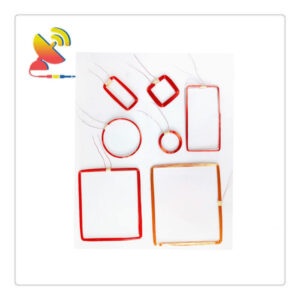
High-performance 125KHz RFID Antennas
Read more -
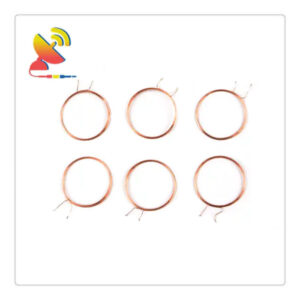
High-performance 13.56 MHz NFC Coil Antennas
Read more -
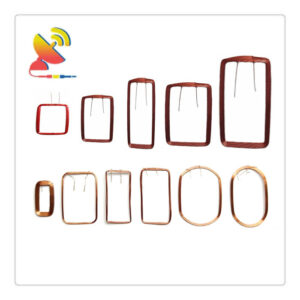
High-performance 13.56 MHz RFID Coil Antennas
Read more -
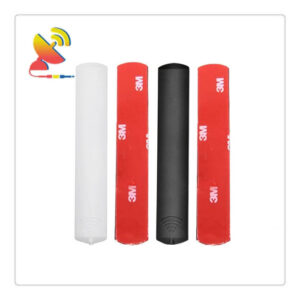
High-performance 860-960MHz UHF RFID LoRa GSM Adhesive Antennas
Read more -
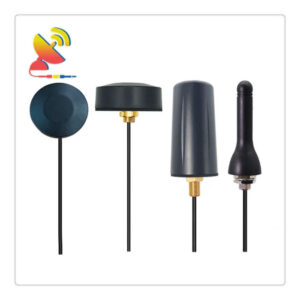
High-performance 868/915 MHz ISM/LoRa Dome Antennas
Read more -
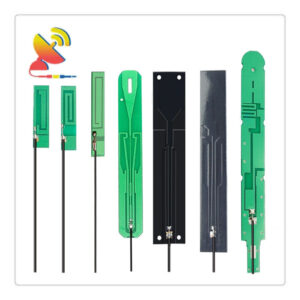
High-performance 868/915MHz LoRa PCB Antennas
Read more -
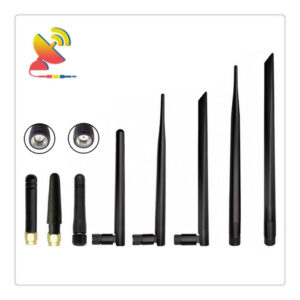
High-performance 868/915MHz LoRa SMA Antennas
Read more -
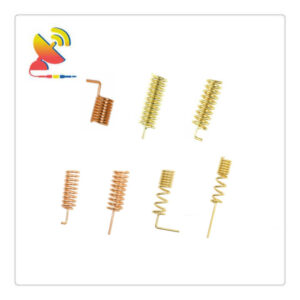
High-performance 868/915MHz Spring Antennas
Read more -

High-performance 868MHz Helical Antennas
Read more -
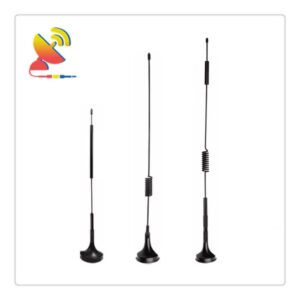
High-Performance 915 MHz Magnet Mount Antennas
Read more -

High-performance 915MHz Helical Antennas
Read more -
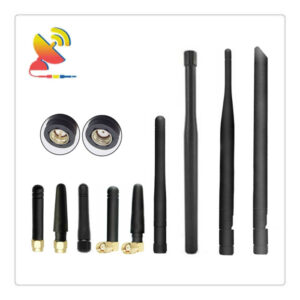
High-performance 915MHz SMA Antennas
Read more -
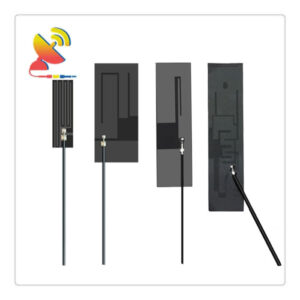
High-performance Flexible 915MHz LoRa Antennas
Read more -
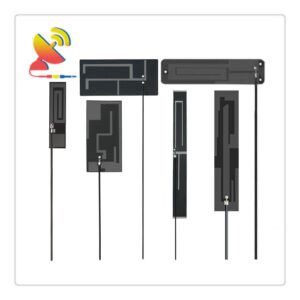
High-performance Flexible LoRa Antenna PCB 868/915MHz
Read more -
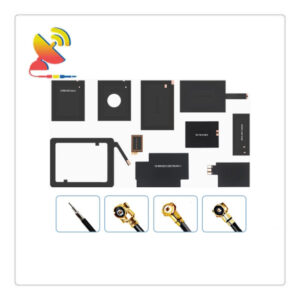
High-performance IPEX NFC 13.56 MHz Antennas
Read more -
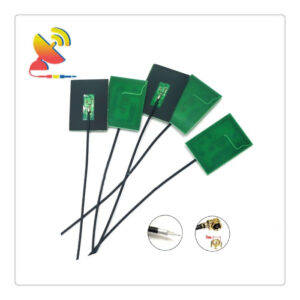
High-performance IPEX PCB Antenna 13.56 MHz
Read more
