
MIMO Antennas
What are MIMO antennas?
MIMO antenna, full name Multiple-Input Multiple-Output antenna, i.e. Multiple-Input Multiple-Output antenna, is a technology used in wireless communication.
MIMO antenna is a technique used in wireless communications to enhance signal transmission by using multiple antennas at the transmitter and receiver ends respectively, utilizing spatial multiplexing and diversity techniques.
MIMO antenna technology can increase the data transmission rate and system capacity without increasing the bandwidth by transmitting and receiving signals through multiple antennas at the same time.
Working principle of MIMO antennas
The working principle of MIMO antenna is based on spatial multiplexing and diversity techniques.
MIMO antenna technology enhances signal transmission by using multiple antennas at the transmitter and receiver ends respectively, utilizing spatial multiplexing and diversity techniques. It enables data to be transmitted through multiple signal paths and spatial paths at the same time, thus increasing the capacity of radio transmission.
At the transmitting end, the data is divided into multiple sub-streams and sent simultaneously through different antennas. At the receiving end, the signals received by multiple antennas are processed and combined to recover the original data. This simultaneous transmission and reception by multiple antennas can utilize space resources to improve channel capacity and spectral efficiency.
Advantages and disadvantages of MIMO antennas
Advantages
Increased data transmission rate
With multiple antennas transmitting and receiving at the same time, MIMO technology can increase the data transmission rate without increasing the bandwidth.
Enhances signal quality
Using spatial diversity technology, MIMO can reduce signal attenuation and interference, and improve signal stability and reliability.
Expanded coverage
By optimizing the signal transmission path, MIMO technology can expand the coverage area of the communication system.
Disadvantages
Higher cost
The hardware cost of multi-antenna systems is higher, requiring more antennas and complex signal processing algorithms.
Increased complexity
The design and debugging of a multi-antenna system is relatively complex, requiring more computational resources and processing power.
MIMO antenna applications
MIMO antenna technology has been widely used in various wireless communication systems, including WLAN (e.g., IEEE 802.11n and other technical standards), LTE, 5G, GNSS, and so on. In these systems, MIMO technology can improve data transmission rate and system reliability, and realize higher capacity and better coverage.
In Wi-Fi, the IEEE 802.11n standard supports MIMO technology, which can provide a higher data transmission rate and better coverage.
MIMO technology is widely used in 4G/5G networks to support high-speed data transmission and low-latency communications in mobile communications.
GPS/GNSS is widely adopted MIMO technology to achieve more accurate positioning and better coverage.
Who manufactures MIMO antennas?
C&T RF Antennas Inc. manufactures 2*2, 3*3, 4*4, and 5*5 MIMO antenna styles for your choice. Contact us for off-the-shelf MIMO antennas or design customizations.
Showing 1–16 of 18 results
-
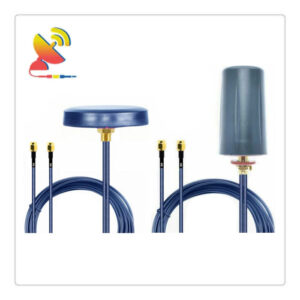
Low-profile 2×2 MIMO 5G Antennas
Read more -
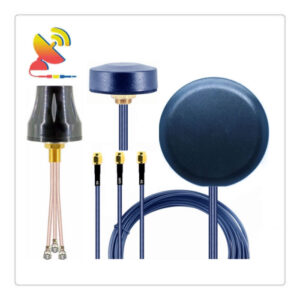
Low-profile 2×2 MIMO LTE 4G + GPS Antennas
Read more -
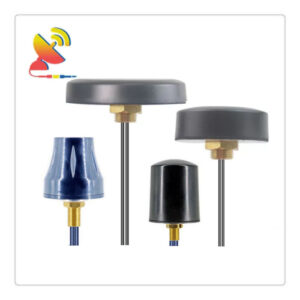
Low-profile 2×2 MIMO WiFi Antennas
Read more -
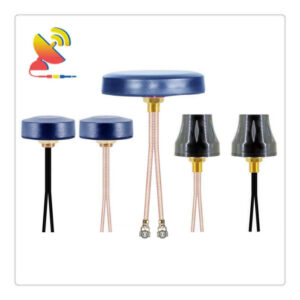
Low-profile 2×2 MIMO WiFi/GPS Antennas
Read more -
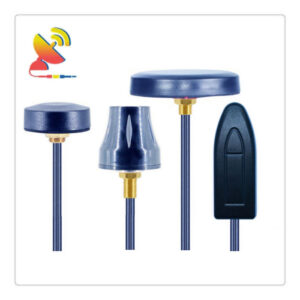
Low-profile 2×2 MMO 4G LTE Antennas
Read more -
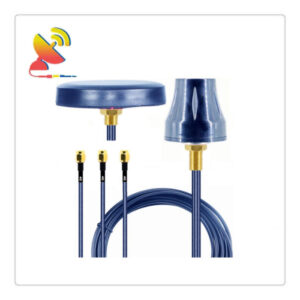
Low-profile 3×3 4G LTE MIMO Antennas
Read more -
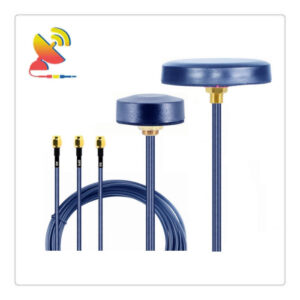
Low-profile 3×3 MIMO LTE 4G/5G/GPS Antennas
Read more -
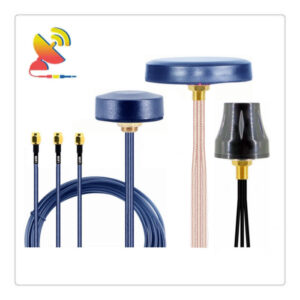
Low-profile 3×3 MIMO WiFi Antennas
Read more -
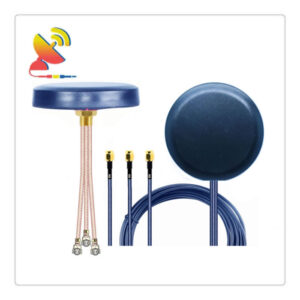
Low-profile 3×3 NR 5G MIMO Antennas
Read more -
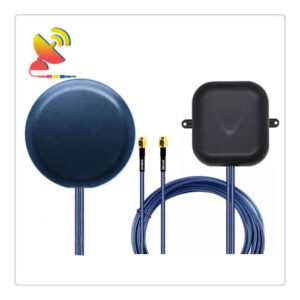
Low-profile 4G/5G GPS 2×2 MIMO Antennas
Read more -
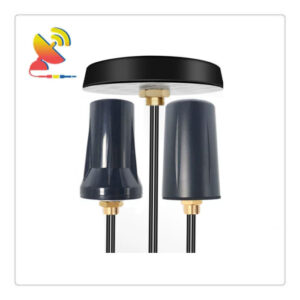
Low-profile 4G/WiFi Antenna MIMO 2×2
Read more -
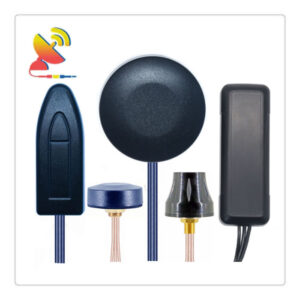
Low-profile 4G+GPS+WiFi 3×3 MIMO Antennas
Read more -
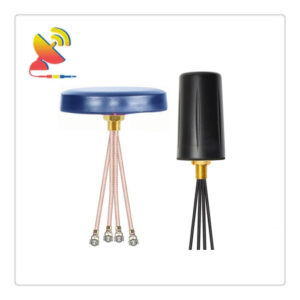
Low-profile 4×4 LTE MIMO Antennas
Read more -
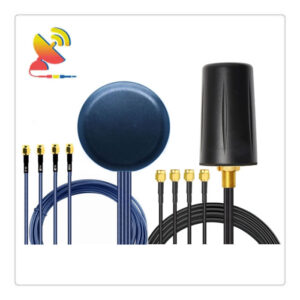
Low-profile 4×4 MIMO Antenna 5G NR
Read more -
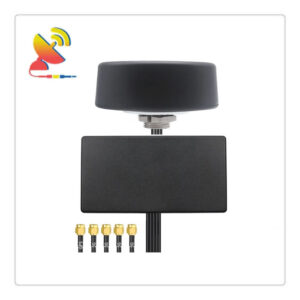
Low-profile 4×4 MIMO Antenna LTE 5G+GPS
Read more -
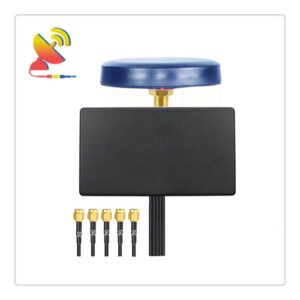
Low-profile 5G/4G LTE 5×5 MIMO Antennas
Read more
