
LPWA Antennas
What are LPWA antennas?
LPWA antennas are antennas for LPWA (Low Power Wide Area) technology. The main purpose of LPWA antennas is to extend battery life, enable long range communications, and penetrate obstacles for large scale IoT deployments.
LPWA technology is a wireless communication technology designed for Internet of Things (IoT) applications, and its core feature is the ability to achieve large area coverage at low power consumption for a variety of sensor devices and IoT applications.
Features of LPWA technology
Low power consumption
One of the main advantages of LPWA technology is low power consumption, which enables devices to support long operation with long battery life, ideal for IoT devices that need to be online for long periods of time and are not easy to replace batteries.
Wide coverage
LPWA technology has a wide range of coverage to meet the needs of a variety of different scenarios, including urban, rural, and remote areas.
Massive connectivity
LPWA technology can support a large number of device connections, which is suitable for large-scale IoT applications, such as smart cities and smart agriculture.
Low bandwidth
Although the data transmission rate of LPWA technology is low, it is sufficient to meet the transmission needs of many IoT devices, such as regular reporting of sensor data.
Advantages of LPWA antenna
LPWA antennas can extend the battery life of IoT devices and reduce maintenance costs.
LPWA antenna has a wide coverage range and can meet the needs of various complex scenes.
LPWA antenna supports the connection of a large number of devices, providing the possibility of large-scale IoT applications.
What are LPWA antenna bands?
LPWA antenna frequency band mainly includes the following bands.
617-960 MHz
This band is mainly used for 2G cellular network, is an important band for LPWA antenna.
863-928 MHz
This band is also used in 2G networks and is another important band supported by LPWA antennas.
1710-2200 MHz
This band is mainly used for 3G and 4G networks and is also supported by LPWA antennas.
2500-2700 MHz
This band is mainly used for 4G 5G networks and is also supported by LPWA antennas.
These bands cover short-range wireless options from older 2G cellular networks to new-age LTE-M and NB-IoT Low Power Wide Area Network (LPWAN) protocols such as LoRa and Sigfox, including 5G and Sub-6 GHz bands.
What are the types of LPWA antennas?
LPWA antennas can be categorized into various types according to their design, purpose, and shape such as spring helical antennas, ceramic chip antennas, PCB antennas, flexible PCB antennas, microstrip antennas, rubber duck antennas, magnetic mount antennas, adhesive patch antennas, yagi antennas, sector antennas, fiberglass antennas, parabolic grid antennas, panel antennas, and so on.
LPWA antenna applications
LPWA antennas are suitable for long-distance communication scenarios that require small amounts of data transmission, such as in the intelligentisation of factories, logistics, agriculture, housing and living infrastructures.LPWA antennas are able to penetrate obstacles and support devices to communicate over long distances while consuming a minimum amount of energy, which makes them particularly suitable for battery-powered IoT devices.
LPWA antennas are widely used in a variety of IoT scenarios, such as smart lighting, smart waste disposal, smart security monitoring in smart cities; soil moisture, meteorological data collection and transmission in smart agriculture; as well as smart home, smart transport and other fields.
Who manufactures LPWA antennas?
C&T RF Antennas Inc. manufactures indoor-outdoor LPWA antenna styles for your choice. Contact us for off-the-shelf LPWA antennas or design customizations.
Showing 1–16 of 80 results
-
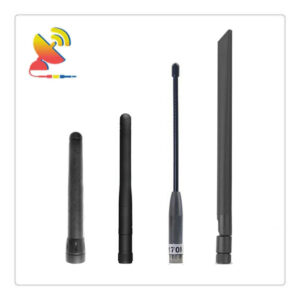
High-performance 169 MHz ISM Band SMA Antennas
Read more -
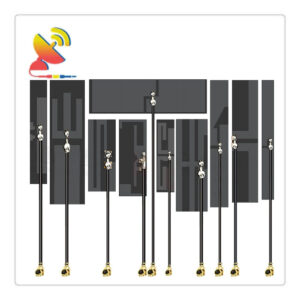
High-performance 2.4 GHz Flexible Antennas
Read more -
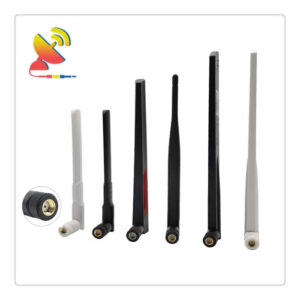
High-performance 2.4 GHz RP-SMA Antennas
Read more -

High-performance 2.4 GHz WiFi PCB Antennas
Read more -
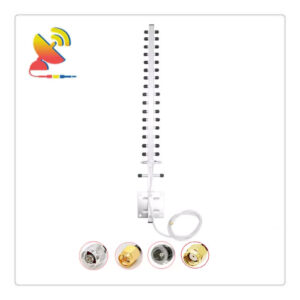
High-Performance 2.4 GHz Yagi Antennas
Read more -
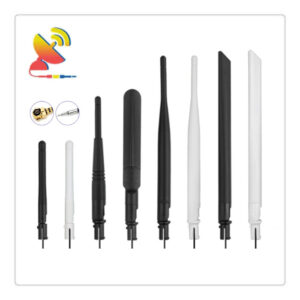
High-performance 2.4/5GHz Dual-band WiFi Antenna IPEX
Read more -
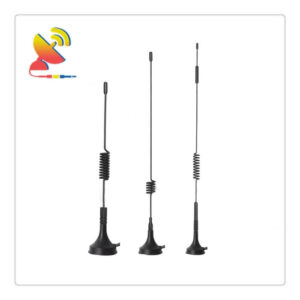
High-Performance 315MHz Magnetic Mount Antennas
Read more -
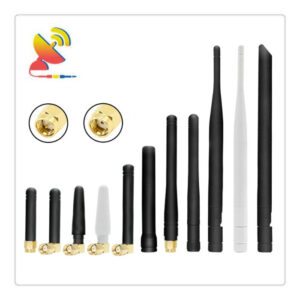
High-performance 315MHz SMA Rubber Duck Antennas
Read more -
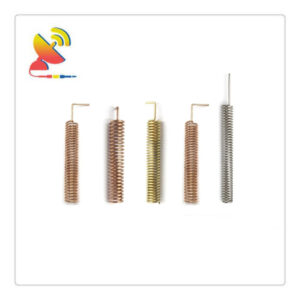
High-performance 315MHz Spring Antennas
Read more -
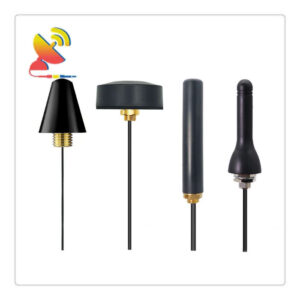
High-performance 433 MHz Dome Antennas
Read more -
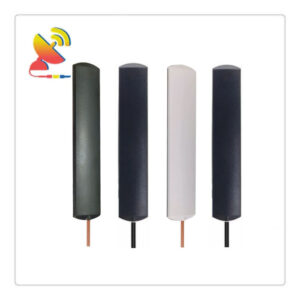
High-performance 433MHz Adhesive Patch Antennas
Read more -
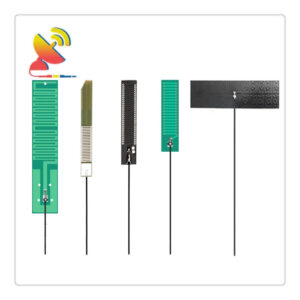
High-performance 433MHz PCB Antennas
Read more -
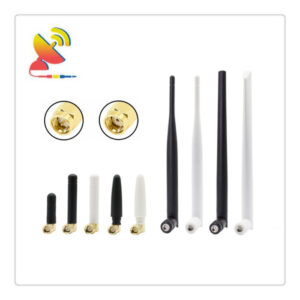
High-performance 433MHz SMA Antennas
Read more -
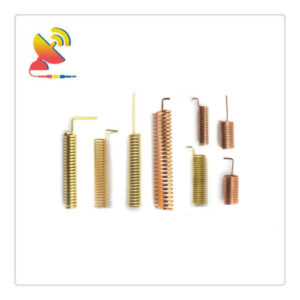
High-performance 433MHz Spring Antennas
Read more -
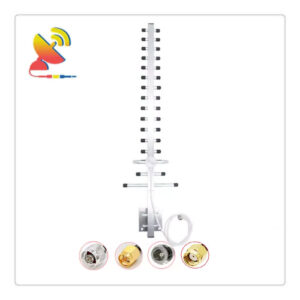
High-Performance 4G LTE Yagi Antennas
Read more -
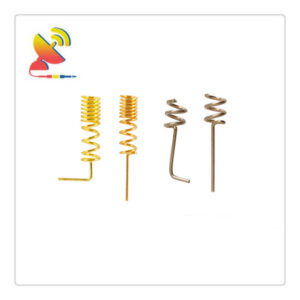
High-performance 4G NB-IoT LTE-M Helical Antennas
Read more
