
ISM Antennas
What are ISM antennas?
The ISM antennas are indoor-outdoor RF antennas designed for ISM (Industrial, Scientific, and Medical) band applications.
What are the ISM radio bands?
The ISM radio bands are portions of the radio spectrum reserved internationally for industrial, scientific, and medical (ISM) purposes, excluding applications in telecommunications.
There are no licenses or fees required to use these ISM bands, and all that is needed is to observe a certain level of transmit power (generally less than 1W) and not to cause interference with other bands.
The ISM bands are not regulated uniformly from country to country. For example, in the United States, there are three frequency bands 902-928 MHz, 2400-2484.5 MHz, and 5725-5850 MHz, while in Europe the 900 MHz band is partially used for GSM communications.
2.4 GHz is the common ISM band for all countries. Therefore, wireless LAN (IEEE 802.11b/IEEE 802.11g), Bluetooth, ZigBee, and other wireless networks can work in the 2.4 GHz band.
|
Frequency range(Hz) |
Center frequency(Hz) |
Feasibility |
|
6.765–6.795 MHz |
6.780 MHz |
Depending on the local area |
|
13.553–13.567 MHz |
13.560 MHz |
Depending on the local area |
|
26.957–27.283 MHz |
27.120 MHz |
Depending on the local area |
|
40.66–40.70 MHz |
40.68 MHz |
Depending on the local area |
|
433.05–434.79 MHz |
433.92 MHz |
Depending on the local area |
|
902–928 MHz |
915 MHz |
Region 2 only |
|
2.400–2.4835GHz |
2.450 GHz |
Depending on the local area |
|
5.725–5.875 GHz |
5.800 GHz |
Depending on the local area |
|
24–24.25 GHz |
24.125 GHz |
Depending on the local area |
|
61–61.5 GHz |
61.25 GHz |
Depending on the local area |
|
122–123 GHz |
122.5 GHz |
Depending on the local area |
|
244–246 GHz |
245 GHz |
Depending on the local area |
Features of ISM bands
Global Universality
The 2.4 GHz band is the common ISM band worldwide, although specific regulations for the ISM band vary from country to country.
No authorization required/Free licensed
There is no need to obtain a special frequency use license to use the ISM band, which reduces the cost and complexity of use.
Susceptible to interference
As the ISM band is open and susceptible to interference from other wireless devices, attention needs to be paid to electromagnetic compatibility when designing for use.
ISM antenna applications
Wireless Local Area Network (WLAN)
ISM band antennas are widely used in home and office environments for wireless LANs such as Wi-Fi technology, using frequency bands including 2.4 GHz and 5.8 GHz for high-speed wireless Internet connections.
Bluetooth Technology Bluetooth technology is also a wireless communication technology that uses ISM bands and is mainly used for short-range data transmission and connection between devices, such as mobile phones and headphones, keyboards, and computers.
Wireless Sensor Networks (WSN)
ISM band antennas are used to build wireless sensor networks for monitoring and collecting various data in the environment, such as temperature, humidity, air pressure, etc., which are used in environmental monitoring, agriculture, industrial control, and other fields.
Remote controls
ISM band antennas are used for remote control devices, such as remote control, wireless doorbells, etc. They usually use a 2.4 GHz band to achieve stable signal transmission and remote control.
Medical devices
ISM band antennas are used in wireless medical devices, such as heart rate monitors, blood pressure monitors, etc., to achieve wireless monitoring and data transmission.
Industrial applications
ISM band antennas are used in various industrial equipment for wireless communication and data transmission.
Scientific research
ISM band antennas are used for various scientific experiments and measurements.
Medical applications
ISM band antennas are used for wireless communication and control of medical equipment.
etc.
Who manufactures ISM antennas?
C&T RF Antennas Inc. manufactures lots of indoor-outdoor ISM antennas for you to choose from. Contact us for off-the-shelf ISM antennas or design customizations.
Showing 1–16 of 65 results
-
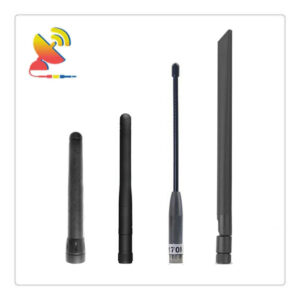
High-performance 169 MHz ISM Band SMA Antennas
Read more -
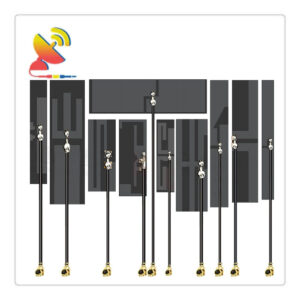
High-performance 2.4 GHz Flexible Antennas
Read more -
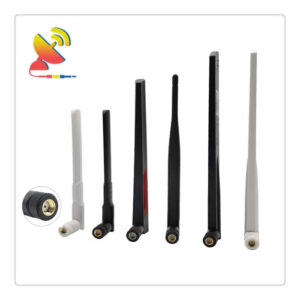
High-performance 2.4 GHz RP-SMA Antennas
Read more -

High-performance 2.4 GHz WiFi PCB Antennas
Read more -
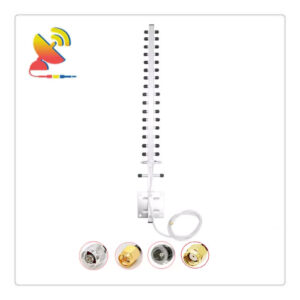
High-Performance 2.4 GHz Yagi Antennas
Read more -
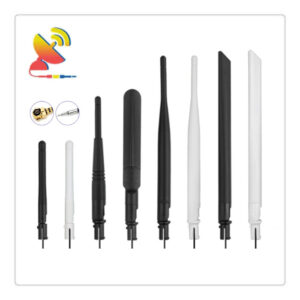
High-performance 2.4/5GHz Dual-band WiFi Antenna IPEX
Read more -
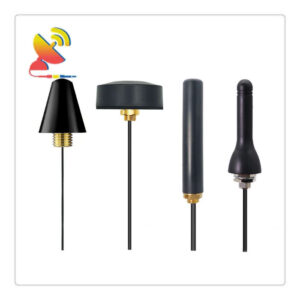
High-performance 433 MHz Dome Antennas
Read more -
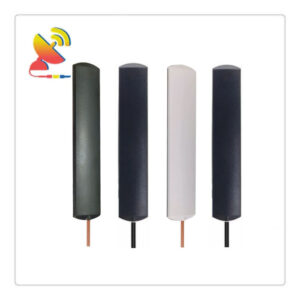
High-performance 433MHz Adhesive Patch Antennas
Read more -
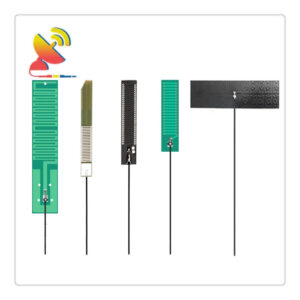
High-performance 433MHz PCB Antennas
Read more -
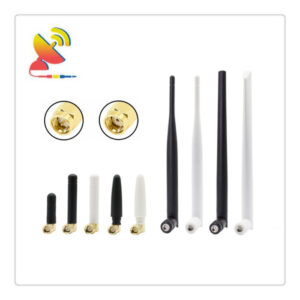
High-performance 433MHz SMA Antennas
Read more -
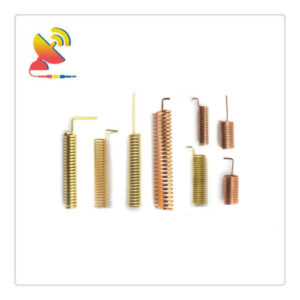
High-performance 433MHz Spring Antennas
Read more -
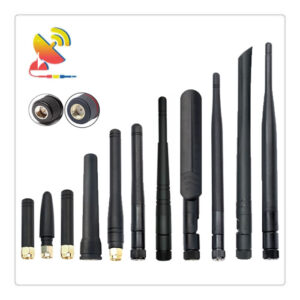
High-performance 5 GHz WiFi Antenna SMA
Read more -
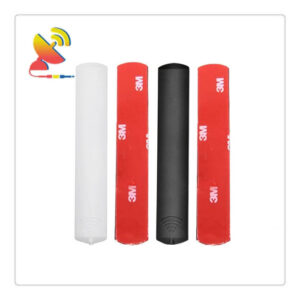
High-performance 860-960MHz UHF RFID LoRa GSM Adhesive Antennas
Read more -
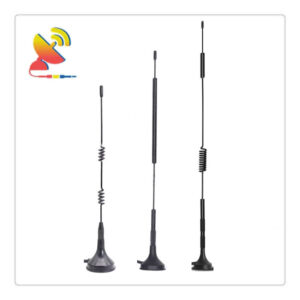
High-Performance 868 MHz Magnetic Base Antennas
Read more -
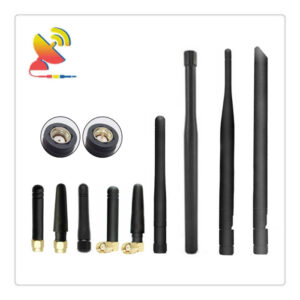
High-performance 868 MHz SMA Antennas
Read more -
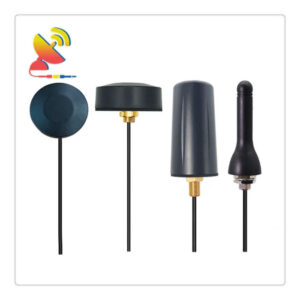
High-performance 868/915 MHz ISM/LoRa Dome Antennas
Read more
