
ADS-B Antennas
What are ADS-B antennas?
The ADS-B antenna is an antenna specially designed for the ADS-B system to receive and transmit ADS-B signals.ADS-B (Automatic Dependent Surveillance-Broadcast) stands for Automatic Dependent Surveillance-Broadcast and is a wireless communication technology used in aviation wireless communication technology in the field for aircraft track monitoring and communication.
The main function of an ADS-B antenna is to determine the exact position and speed of an aircraft through a GPS receiver and broadcast this information to other aircraft and ground control stations in the vicinity through an ADS-B transmitter.
The principle and technology of ADS-B antennas
ADS-B antennas are sent and received through ADS-B devices on the aircraft. These devices include a GPS receiver and an ADS-B transmitter. The GPS receiver is used to determine the exact position and speed of the aircraft, while the ADS-B transmitter broadcasts this information to other aircraft in the vicinity and to ground control stations. The broadcast information includes the aircraft’s identification code, position, altitude, speed, and direction.
What are the types of ADS-B antennas?
There are various types of ADS-B antennas, including salt- and corrosion-resistant antennas designed for maritime installations, and antennas for different frequencies (e.g., 1090 MHz). These antennas are designed with different usage environments and requirements in mind.
What are the features of ADS-B antennas?
Corrosion resistance
For ADS-B antennas used at sea, corrosion resistance is an important feature. These antennas usually use special materials and coatings to resist the erosion and corrosion of seawater.
Size and specification
Different models of ADS-B antennas have different dimensions and specifications. These dimensions and specifications are typically based on the environment in which the antenna will be used and the performance requirements.
Impedance matching
The impedance of the ADS-B antenna is usually matched to the impedance of the data chain transceiver to ensure efficient signal transmission. A common impedance value is 50 ohms.
Applications of ADS-B antenna technology
ADS-B antenna technology plays an important role in air traffic management and improves the safety and efficiency of air traffic. It is a cooperative surveillance system that requires other aircraft and ground control stations to be equipped with ADS-B equipment to realize comprehensive surveillance and communication.
By receiving ADS-B signals, ground control stations and other aircraft can know the position and status of the aircraft in real-time for better flight control and decision-making.
Installation and Use of ADS-B antennas
Installation location
The external ADS-B antenna is usually mounted on the exterior of the aircraft to receive and transmit signals. The choice of mounting location should take into account the performance of the antenna, the structure of the aircraft, and the environment in which it will be used.
Grounding requirements
To ensure proper operation of the ADS-B antenna, it usually needs to be secured to an object that can conduct electricity, and the conductive object needs to be grounded. This will minimize static interference and improve the quality of signal transmission.
Lightning arrester configuration
Depending on local lighting conditions, it may be necessary to configure the ADS-B antenna with a lightning arrester to protect the antenna and aircraft from lightning damage.
Who manufactures ADS-B antennas?
C&T RF Antennas Inc. manufactures indoor-outdoor ADS-B antennas. Contact us for off-the-shelf ADS-B antennas or design customizations.
Showing all 12 results
-
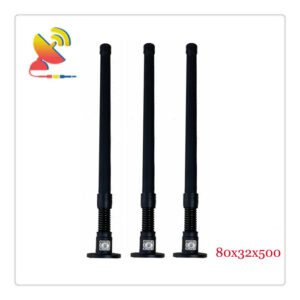
High-power 150W Anti-jamming Antennas ɸ80x32x500
Read more -
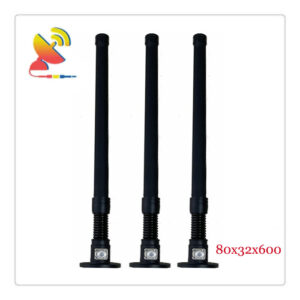
High-power 150W Car Jammer Antennas ɸ80x32x600
Read more -
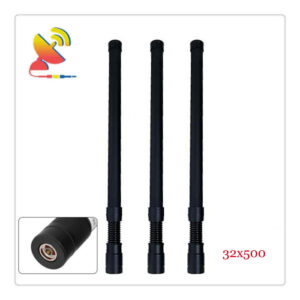
High-power 150W Drone Jamming Antennas ɸ32×500
Read more -
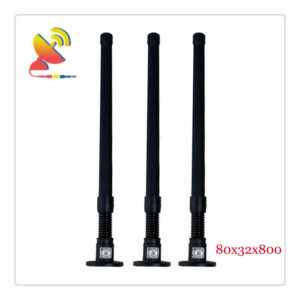
High-power 150W Jammer Antenna for Vehicles ɸ80x32x800
Read more -
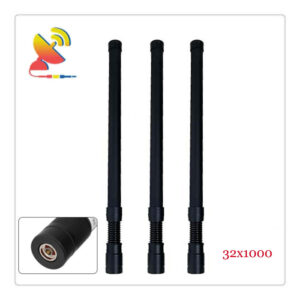
High-power 150W Jammer Spring Antennas ɸ32×1000
Read more -
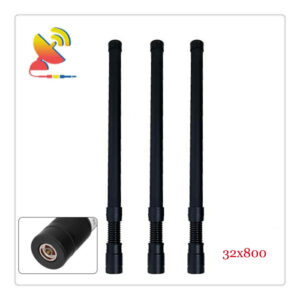
High-power 150W Military Jammer Antennas ɸ32×800
Read more -
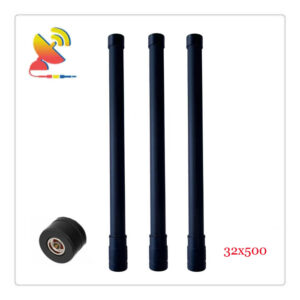
High-power 150W Omni Anti-drone Antennas ɸ32×500
Read more -
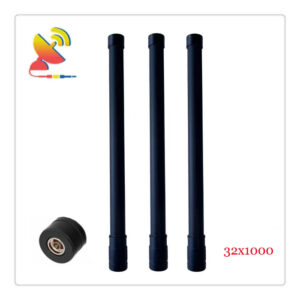
High-power 150W Omni Anti-jam Antennas ɸ32×1000
Read more -
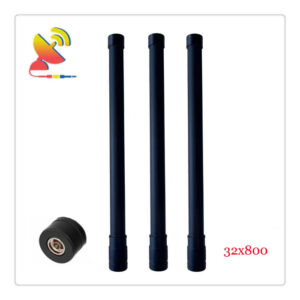
High-power 150W Omni Jamming Antennas ɸ32×800
Read more -
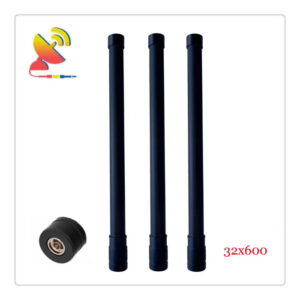
High-power 150W Signal Jammer Antennas ɸ32×600
Read more -
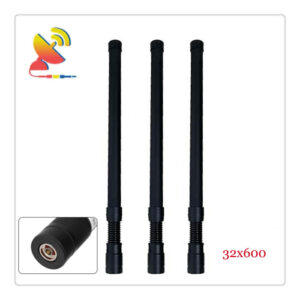
High-power 150W Signal Jamming Antennas ɸ32×600
Read more -
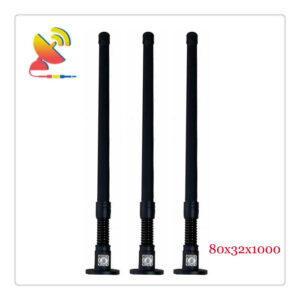
High-power 150W Vehicular Antennas ɸ80x32x1000
Read more
